For cleaners · 12 min read
Websites for cleaners: domestic, commercial, end of tenancy
How a cleaning site sells the regular slot, quotes end-of-tenancy work properly, wins office contracts, and answers the question everyone has about keys.
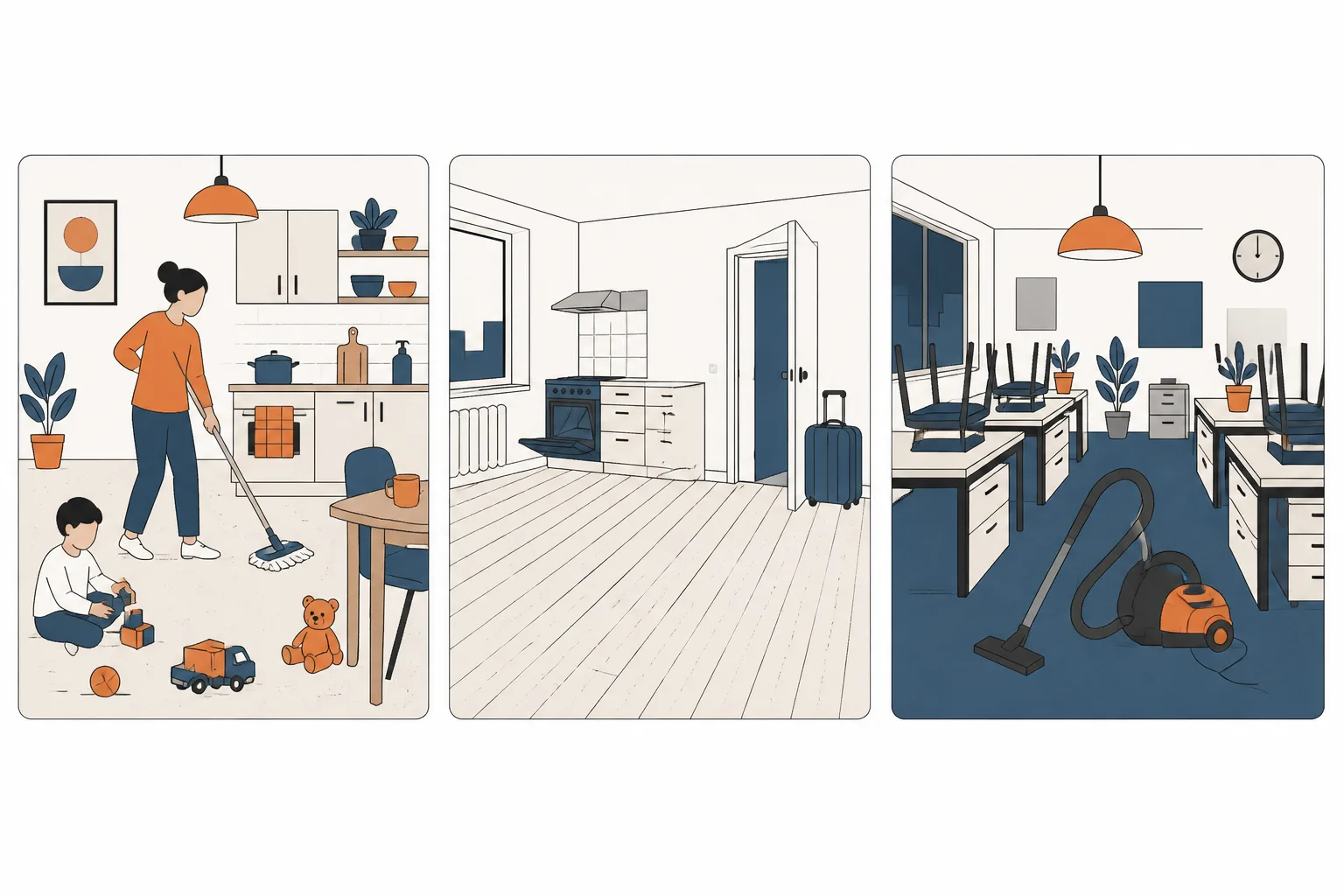
One word, three different businesses
A weekly clean for a family in a three-bed semi, a nightly office contract, and an end-of-tenancy job on an empty flat with the deposit riding on it are sold in three different ways. Different customer, different worry, different way of deciding. The only thing they share is the word cleaning.
Most cleaning websites are written as though there is one customer. They open with a paragraph about attention to detail and a photograph of a folded towel, then list every service in a row of identical boxes. The landlord with a checkout inspection on Friday and the office manager comparing three quotes both leave, because neither of them saw anything aimed at them.
You do not need three sites. You need one where each kind of work has its own page, and a home page that sends people to the right one inside a screen. If you only want one of the three, drop the others. A site that says "regular domestic cleaning in Chesterfield, nothing else" wastes nobody's afternoon.
| Regular domestic | End of tenancy | Commercial | |
|---|---|---|---|
| Who is deciding | One person, at home | Tenant, landlord or agent | Office or facilities manager |
| What worries them | A stranger with a key | Losing the deposit | Cover, insurance, invoicing |
| How they choose | Recommendation, then your site | Search, then price and guarantee | Quotes, then references |
| How long it takes | A week of thinking | Two days, sometimes two hours | Three weeks to three months |
| What it is worth | Years, if you keep it | One payment | Months of steady income |
The regular slot is the business
A one-off clean pays once. A Tuesday morning that stays booked pays every week for years, and it is the thing that makes a cleaning round worth owning. So the domestic page should be selling a slot, not a clean.
That changes what goes on the page. Instead of a list of rooms you will wipe, write the things somebody signing up for a year actually wants settled: whether it is the same cleaner every visit, what time you turn up, what happens when they are away, how much notice you need to cancel, whether you bring your own products and machine, and how they pay. Every one of those is a question you currently answer on the phone, three times a week.
Be honest about capacity too. If your round is full and you have two slots in Thursday afternoons, say that. A waiting list reads as a business people want to be on, and it is more use to you than a contact form that quietly collects requests you cannot serve. When a slot opens you have somebody to ring.
- Same cleaner each week, or a small team, and what happens when they are ill.
- The visit length, and whether the price is by the hour or by the visit.
- Whether you supply products, cloths and a vacuum, or use theirs.
- Notice for cancelling a visit, and whether a missed visit is charged.
- Holidays — theirs and yours — and how the schedule catches up.
- How payment works: standing order, bank transfer after each visit, or monthly invoice.
- How to add a one-off extra, like the oven or the inside of the windows.

End of tenancy is a purchase with a deadline
Nobody books an end-of-tenancy clean because they enjoy a tidy house. They book it because a deposit is at stake and an inventory clerk is coming on a specific day. That is a customer with a deadline and a fear, and the page should speak to both.
The single most persuasive thing you can put on that page is what happens if the agent is not satisfied. If you will come back and re-clean the items raised, within a set number of days, at no charge, write that down in a sentence a nervous tenant can read twice. Put the conditions on it as well — usually that the property stays empty and unoccupied after you leave, and that the complaint comes in within the window. A guarantee with its limits printed is believed. One without them is not.
Then publish the checklist. Every serious end-of-tenancy cleaner works to roughly the same list, and putting yours on the site does two useful things: it lets the tenant check it against what the agent asked for, and it settles the arguments about scope before they start. Say plainly what is not included, because that is where the disputes live. Carpets, exterior windows, the loft, mould that needs treating rather than wiping, a garden full of the last tenant's furniture.
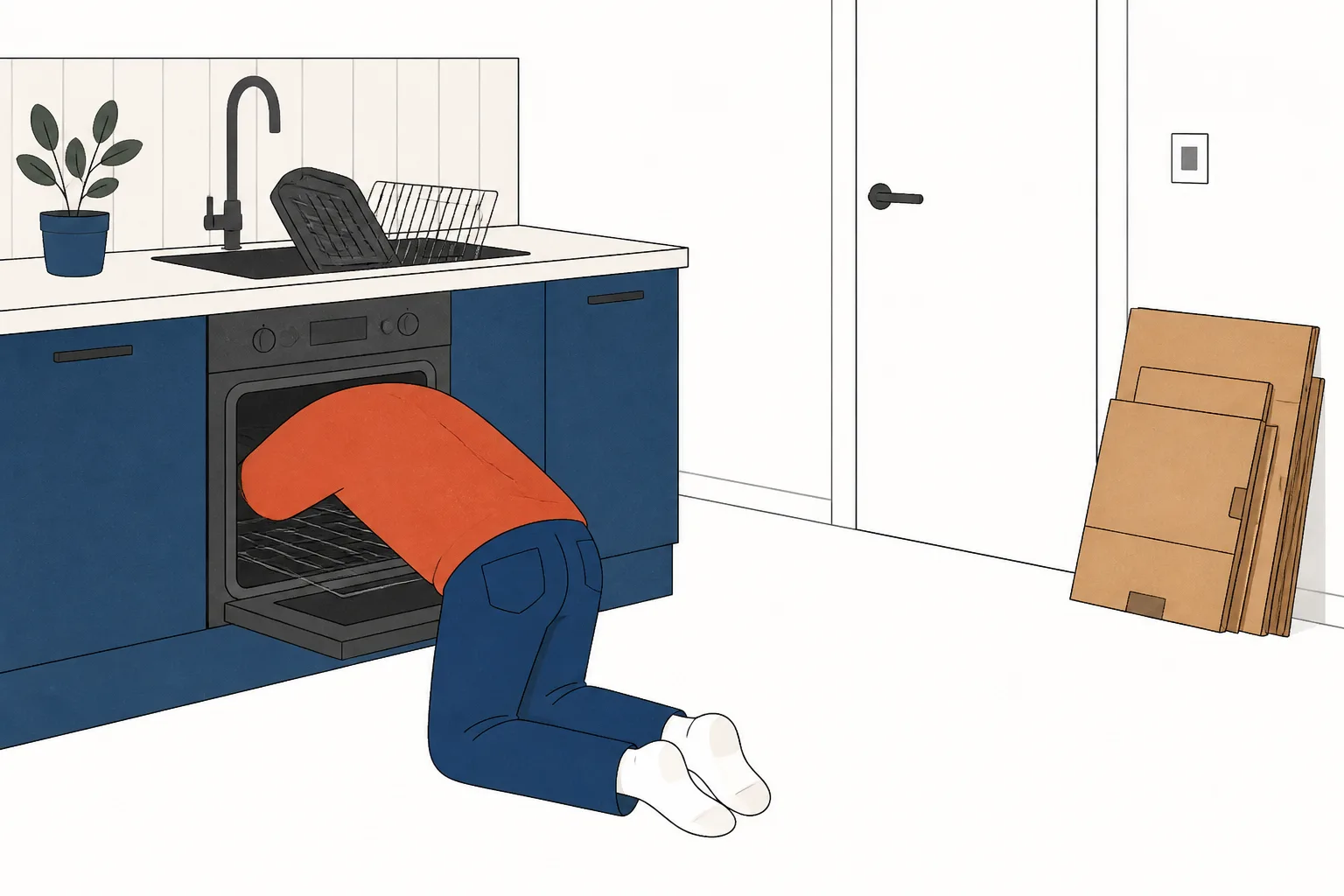
- Oven, hob, extractor and grill pan — the item checked first and argued about most.
- Inside all cupboards, drawers and wardrobes, and behind the kickboards.
- Fridge and freezer, defrosted, which needs the power off the night before.
- Limescale off taps, shower screens, tiles and the toilet.
- Skirting, door frames, light switches, sockets and radiators.
- Windows inside, sills and tracks; outside only if you say so.
- Carpets — whether steam cleaning is included, extra, or subcontracted.
Note. State whether the property must be empty. A clean quoted on an empty flat and arrived at with a sofa, six bin bags and a tenant still packing is the most common reason these jobs go wrong.
Commercial work is won on the boring pages
An office manager choosing a cleaner is not moved by photographs of a shining kitchen. They are checking whether you will still be turning up in eight months, whether your insurance covers the building, and whether your invoices will match what finance expects. The commercial page is where you answer that, and it is allowed to be dull.
Say who you already clean for, by type if you cannot name them: two dental practices, a small industrial unit, a hair salon, three serviced offices. Say what hours you work, because access is often the whole problem — before seven, after six, weekends, or a key-holder arrangement with an alarm code. Say how you cover sickness, because a nightly contract that misses two nights is a contract that gets cancelled.
Then put the paperwork where a procurement person can find it in one click. Public liability cover and the amount. Employers' liability if you have staff. DBS checks if you work in schools, care settings or anywhere with children. Safety data sheets for the products you use, and a risk assessment and method statement if you want work in bigger buildings. Waste carrier registration if you take rubbish away. None of it wins the job on its own, but the absence of it loses the job silently.
- Public liability level, and employers' liability if you employ anyone.
- DBS checks, and for which staff, if you clean schools or care settings.
- Access and hours: out-of-hours, key-holding, alarm codes, fobs.
- Cover arrangements when your regular cleaner is off.
- Payment terms — 30 days, purchase order numbers, whether you are VAT registered.
- Notice period on either side, so nobody feels trapped by signing.
- Consumables: whether you supply and restock the soap, towels and bin liners.

Per hour or per job
Regular domestic work is usually priced by the hour, because the house is lived in and the amount to do varies week to week. One-off work — end of tenancy, a deep clean, an oven, a set of carpets — is usually priced by the job, because the customer wants a number they can compare and a result they can point at. Trying to price end-of-tenancy work by the hour is how cleaners end up doing an eleven-hour day for six hours of money.
Publishing something is better than publishing nothing. You do not have to commit to a fixed figure for a house you have not seen. An hourly rate with a minimum visit length, and a from-price by number of bedrooms for the one-off work, filters out the calls that were never going to book and brings forward the ones that were.
The figures below are the shape of the market rather than a quote. Rates move a long way by region — London and the South East sit well above, much of the North, Wales and the South West sit below — and by whether you are a sole trader or running a team with wages, insurance and a van. Work out your own numbers on your own costs, and put those on the site.
| Job | Typical range | What moves it |
|---|---|---|
| Regular domestic, hourly | £16 to £28 an hour | Region, and whether you bring products |
| Weekly clean, 3-bed, ~3 hours | £50 to £85 a visit | Hours booked, pets, ironing |
| One-off deep clean | £25 to £35 an hour | State of the house, limescale, ovens |
| End of tenancy, 1-bed flat | £140 to £250 | Carpets, oven condition, whether empty |
| End of tenancy, 3-bed house | £250 to £420 | Bathrooms, carpets, garden and outbuildings |
| Single oven, deep cleaned | £60 to £100 | Range or double oven, how long since the last one |
| Carpet cleaning, per room | £30 to £55 | Stairs counted separately, stains, minimum charge |
| Airbnb changeover | £35 to £80 a turnaround | Linen, laundry, restocking, distance |
| Office cleaning, hourly | £18 to £30 an hour | Out-of-hours, consumables, contract length |
Note. If you quote by the hour, publish a minimum. Two hours is the usual floor, and saying so stops the callers who want a whole house done in ninety minutes for the price of a takeaway.
Keys, and the question nobody asks out loud
Most regular domestic customers are out at work when you clean. That means handing a key to somebody they have met once, and it is the real reason people hesitate before booking. They rarely say it on the phone. They read the site looking for it.
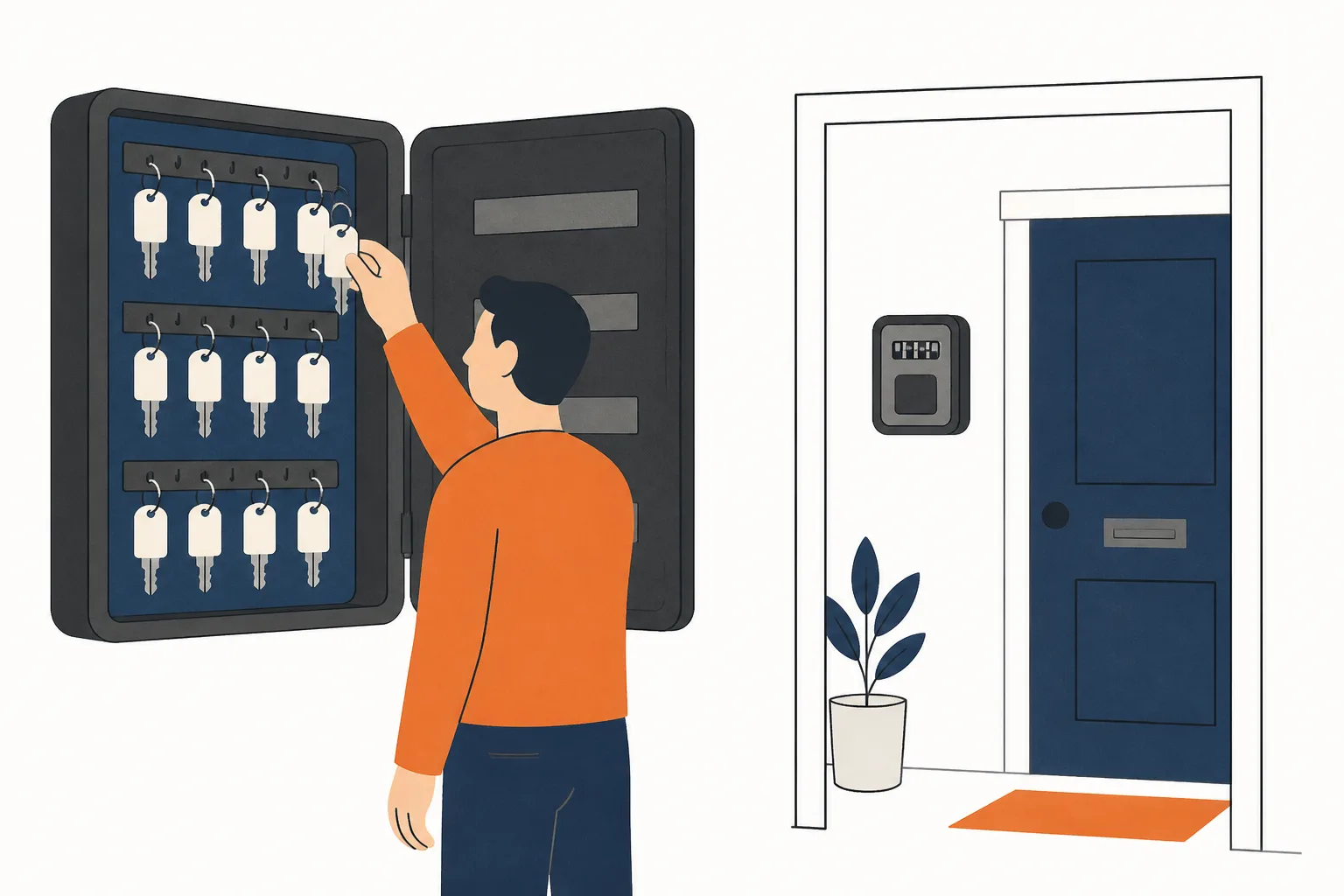
So answer it before it is asked. Write a short, plain paragraph on how you hold keys: that they are tagged with a code rather than an address, kept locked and not left in a van, that only the named cleaner has access to them, and that they are returned the week somebody cancels. If you use a key safe on the wall instead, say that you prefer it and why. This is four sentences and it converts better than anything else on the page.
The rest of the trust work is showing who you are. A first name and a face, not a stock photograph of a woman in yellow gloves. How long you have been going. Whether the person cleaning is you, an employee on PAYE, or a subcontractor, and whether they are the same person each week. Whether staff are referenced, DBS checked, and trained rather than handed a mop. Reviews with a first name and a town read as real; five-star claims with no name attached do not.
Two more cost nothing to write and settle a lot: what your insurance covers if something gets broken, and whether you mind pets. People with a dog assume they will be turned down, and one sentence saying otherwise gets you the booking.
- How keys are labelled, stored and returned — in plain sentences.
- Whether you prefer a key safe, and who knows the code.
- Who actually attends: you, a named employee, or a team.
- Insurance cover for accidental damage, and the excess if there is one.
- Your position on pets, alarms, and being in the house while you work.
- What you will not do, so nobody books it: sharps, mould treatment, hoarded properties, biohazard, exterior windows above the ground floor.
Note. The trust paragraph earns its place above the price on a domestic page. Somebody who has decided you are safe will ask what it costs. Somebody who saw the price first still has not decided.
Let the form do the quoting
Cleaning is one of the few trades where you can price most jobs without a visit, provided you ask the right four or five questions. A form that only collects a name, an email and a message throws that away, and you spend the evening ringing people back to ask how many bathrooms they have.
Ask the few things that actually move the price and you can send a real figure, or a tight range, by text within the hour. For end-of-tenancy work, invite a couple of photographs. Nothing tells you more about the day ahead than a picture of the oven.
Then reply the way the customer wants to be replied to. End-of-tenancy customers are in a hurry and want a text back. Office managers want an email they can forward. Regular domestic customers, more often than not, want a short phone call to hear what you sound like. Say on the page which you will do and how quickly, and then do it — a stated two-hour response you keep is worth more than a promise of instant quotes nobody honours by teatime.
- Bedrooms, bathrooms, and roughly the floor area if they know it.
- One-off or regular, and which day suits.
- The date, and whether it is fixed by a tenancy end or a move.
- Whether the property is furnished, empty, or somewhere in between.
- Extras: oven, carpets, inside windows, fridge, ironing.
- Pets, parking, and how you get in on the day.

Common questions
- Should I put my hourly rate on the site?
- Yes, with a minimum visit length. The leads you lose are the ones that were going to negotiate you down, and the ones you keep arrive having already accepted the number. It also saves you quoting the same figure twenty times a week.
- Do I need separate pages for end of tenancy and regular cleaning?
- Yes, if you do both. They are searched for differently and decided on differently, and the guarantee, checklist and pricing that make an end-of-tenancy page work would clutter a domestic one. Two proper pages beat one page trying to do both jobs.
- How do I show I am trustworthy when I am just starting out?
- Be specific instead of impressive. Your name, your face, the town you live in, your insurance, how you handle keys, and three honest reviews from your first customers. Vagueness reads as something to hide; detail reads as somebody real.
- Is online booking worth it for cleaning?
- For one-off work with a predictable price — ovens, changeovers, a deep clean of a known size — it saves everyone a phone call. For regular slots, take the request online but speak to the customer before you commit a weekly space, because the fit matters more than the booking.
- Should I list every town I could travel to?
- No. Name the places you genuinely work and say where the round stops, with a travel charge if you have one. A list of forty towns you have never cleaned in reads as hollow to customers and does nothing for local search either.