Plan the parts a shared app needs · 4 min read
How to add login and a database to an AI app
A clear guide to adding real accounts and shared data to an AI-built app: choose the records, set permissions, protect secrets and test the handoff.
Know when login and a database are needed
You need real login when a person must return to a private account, and you need shared data when more than one person must see the same record. A customer portal, team tracker and booking manager usually need both.
A calculator, quiz or personal tool may not. Browser-held data can be fine for a private prototype, but it is not a substitute for accounts, shared records or server-side permissions.
- People return to their own private information.
- More than one person needs to see the same record.
- A team changes a status or assigns work.
- The business must keep a record after a device changes.
Map identity, records and actions first
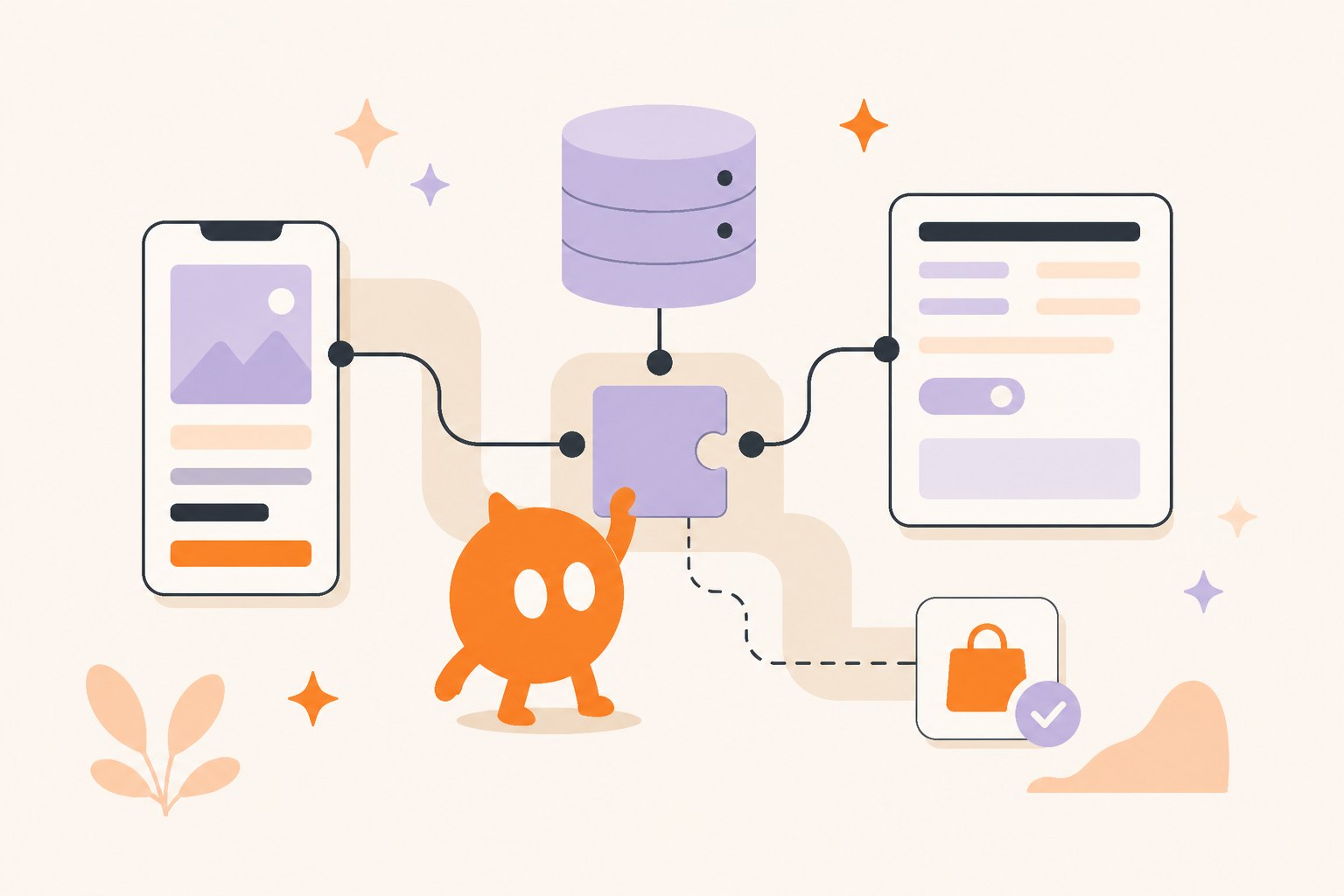
Before choosing a service, write down who can sign in, which records belong to them and what each role may do. A customer may read their own booking, a staff member may update its status and an administrator may manage the service. Those are separate decisions.
Name the smallest useful records and their relationships. For a portal that might be a user, project, message and file. Avoid creating fields merely because the database can hold them; every field creates a rule to explain and test.
- Name each role in everyday words.
- List the records each role needs to read or change.
- Mark which record owns or links to another record.
- Decide what happens when an account or project closes.
Connect the server-side parts safely
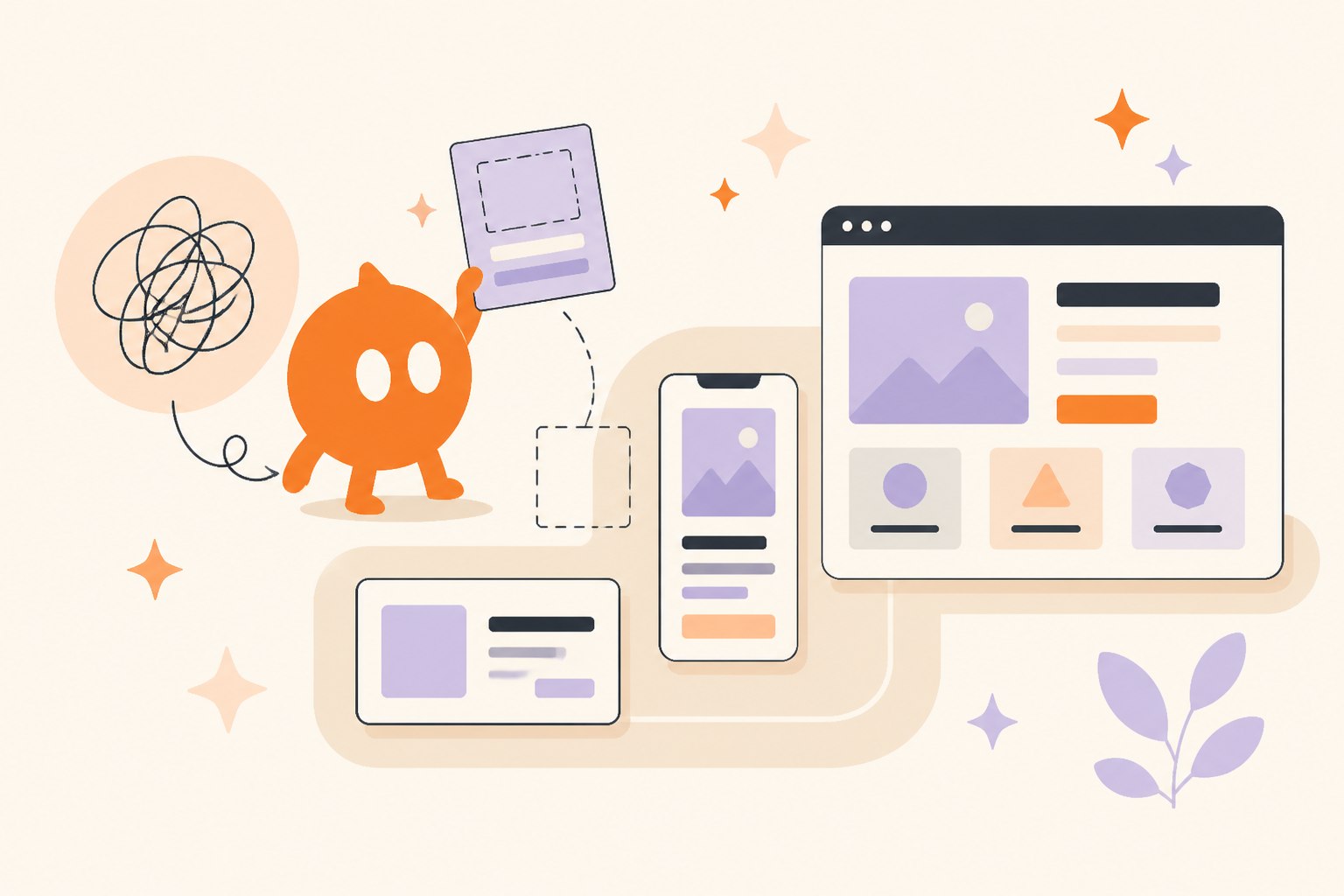
A real login and database need a trusted service to check identity and enforce access. An AI-built front end can provide the screens and guide the connection, but a browser-only prototype should not pretend that a password is protected or that a hidden route is private.
Keep private keys and service credentials in the server environment, not in the public app files. Decide how account recovery, email verification, backups, deletion and failed requests will work before inviting real users.
Note. If the current builder output does not include a server database or account system, export the app and connect those pieces with a supported provider or a developer. Do not put secrets in the client bundle to make a demo appear connected.
Build the sign-in and data journey together
The useful flow is more than a login form. Show what happens for a new person, a returning person, a wrong password, an expired session and an account with no records. After sign-in, take the person to a clear next action rather than an empty dashboard.
When a person creates or edits a record, show the saved result and the owner of that record. If two people can act at once, decide which change wins and how the other person is told.
- Create an account or invite a person.
- Sign in, sign out and recover access.
- Read only the records the role permits.
- Create, edit and remove a record safely.
- Handle expired sessions and failed requests clearly.
Test with two accounts before going live
Use two test accounts with different roles and create records for each. Confirm that each person sees the correct data after a refresh, on another device and after signing out. Try direct links to records that should be private; access must be denied by the data rule, not merely by the page layout.
Test deletion, account closure, a lost connection and a partial save. Keep test data separate from production and record which provider, domain and environment values the live app depends on.
Tip. A successful sign-in proves identity was checked. It does not prove every database query is scoped to the right person.
Common questions
- Can an AI app builder add login and a database?
- It can help plan the screens, records and connection steps, and some builders support particular services. Check the actual output and provider setup. A browser-only app cannot safely provide shared records or real private accounts by itself.
- How do I keep one user from seeing another user's data?
- Use server-side access rules tied to the authenticated identity, then test with separate accounts and direct record links. Hiding a button or filtering a list in the browser is not enough.
- Should I add a database before building the screens?
- Map the records and permissions before the screens, then build a small end-to-end path. That lets the interface reflect the real data rules without asking you to design every future table first.