Turn follow-up into a workflow · 3 min read
How to build a CRM app with AI
Build a small CRM app with AI by choosing a clear pipeline, modelling the records, assigning next actions and testing the work your team actually does.
Choose the pipeline your team already uses
A CRM app is not a list of contacts with a bright dashboard. It is a way to know what happens next for each relationship. Start by writing the stages a real lead passes through, using the words your team already says.
A simple pipeline might be new, contacted, quoted, booked and finished. Another business may need review, approved, in progress and handed over. Use the smallest set that makes the next action obvious.

Model one record before adding every field
Decide what a lead or customer record must hold: a name, contact method, source, owner, current stage, next action and useful notes. Add a field only when somebody will use it to make a decision or complete work.
Keep private information separate from notes that a wider team may read. If the app will hold sensitive details, write down who may see them before the AI drafts the screens.
- The identity of the person or company.
- The current stage and owner.
- The next action and when it is due.
- The source or page that started the conversation.
- A short history of meaningful contact.
Make the next action hard to miss
The useful view is usually not every record at once. It is the work that needs attention today, followed by the context that lets somebody act without opening five other tools.
Ask for a list that can be filtered by owner and stage, a record view with the next action near the top, and a clear way to move a record forward. Avoid adding charts until the pipeline itself is trustworthy.
- Show the records that need action today.
- Open a record without losing the list position.
- Change the stage and keep the reason visible.
- Record a useful note without turning it into a diary.
- Make ownership clear when work moves to another person.
Protect customer data from the first version
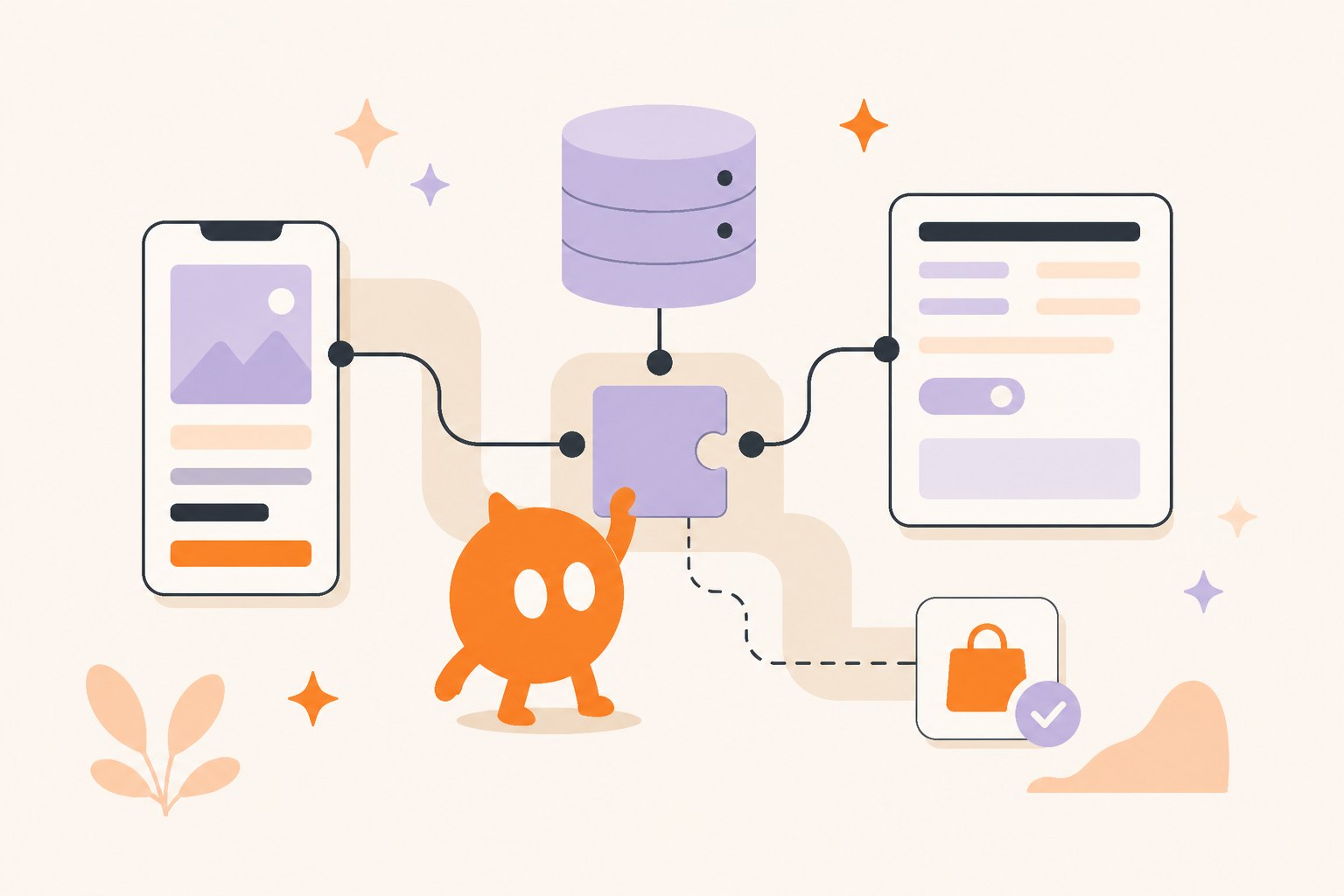
A CRM contains more than names. Decide which roles may search, export, edit or delete records. Test an ordinary team member, a manager and an account with no records before importing a real list.
Do not use a spreadsheet export as proof that the app is ready. Check the field mapping, duplicates, empty values and the way a deleted record is treated. Keep an original copy until the new workflow has earned trust.
Run a small pilot before making it the source of truth
Give the first version to the people who will use it every day. Watch how they create a record, find a stalled one, hand it over and close the loop. Their pauses will show you which field or transition is missing.
Grafter can shape the workflow and revise the screens in conversation. Keep a record of what changed so the team knows which version contains the current rules.
Common questions
- Can I build a CRM app with AI?
- Yes. AI can help draft a pipeline, record view, filters and follow-up workflow. The important decisions are the stages, permissions, data fields and next actions your team actually needs.
- What should a small-business CRM include?
- Start with contacts, ownership, a small set of stages, the next action and a short activity history. Add automation or reporting after people can keep the core records accurate.
- Can I import contacts into an AI-built CRM?
- You can when the app supports an import path, but inspect the field mapping and duplicate behaviour first. Keep the original data safe until the new records have been checked.