Guide · 4 min read
How to get a website for your trade business
What a plumber, electrician or roofer actually needs on a website, what it costs, and how to have one live this afternoon.
Decide what the site is for before you build it
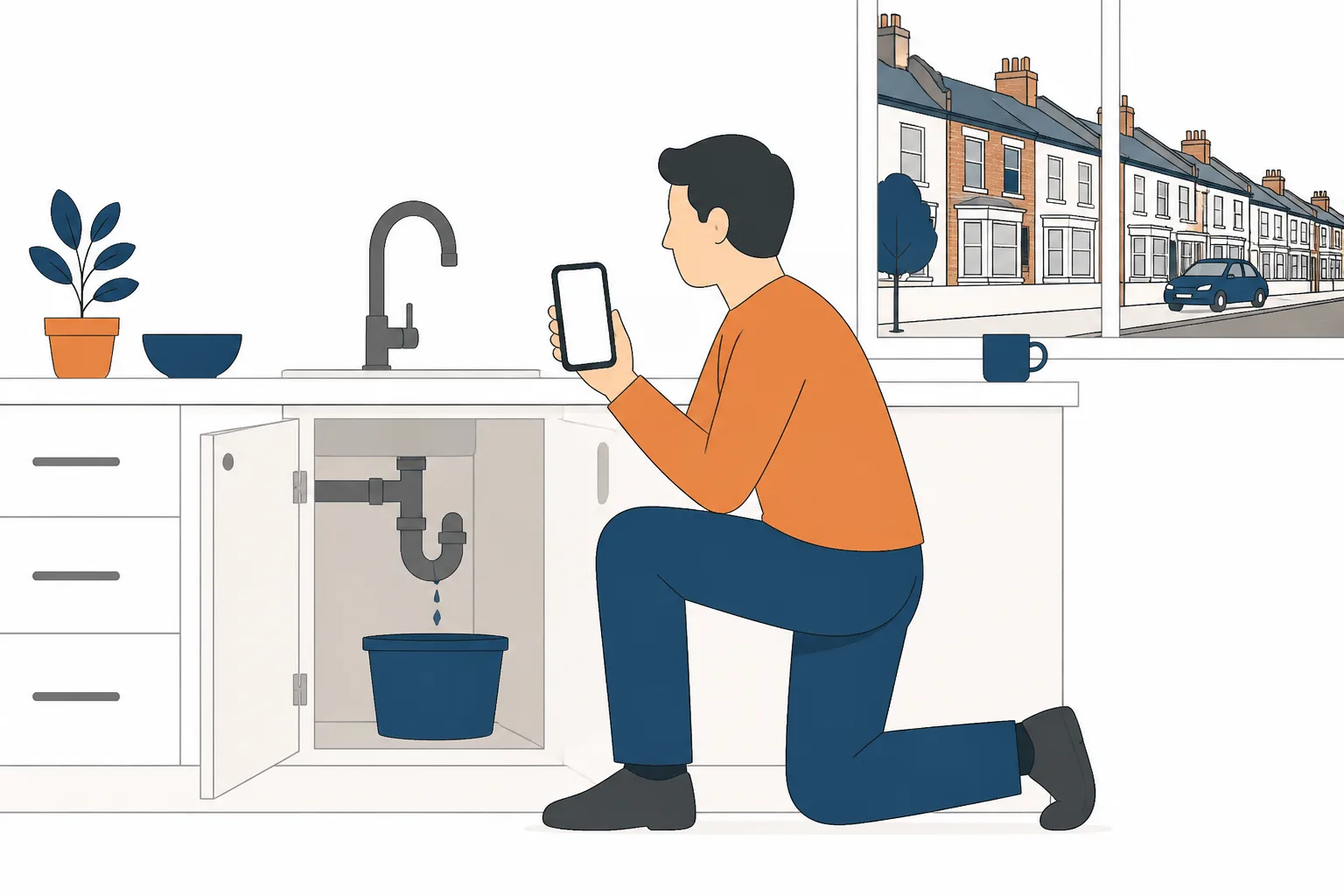
Most trade websites are built to look like a brochure and then judged on whether the phone rings. Those are different jobs. A brochure describes the business. A working site answers the three questions someone has at the moment they are deciding whether to call you, and then makes calling easy.
Those questions are always the same: do you do the thing I need, do you cover where I live, and can I trust you with my house. Everything else on the page is decoration around those three answers.
- Do you do this specific job — not 'plumbing', but 'replace a combi boiler'.
- Do you cover my area — named towns, not 'the South East'.
- Can I trust you — real photos of real jobs, and a name attached.
Note. If a visitor cannot answer all three in ten seconds without scrolling, the rest of the site does not get read.
The pages you need, and the ones you do not
A trade site needs fewer pages than most people build. Five is usually right, and each one exists to catch a different kind of search.
The pages that get skipped are the ones written for the business rather than the customer: a mission statement, a history of the company, a blog nobody updates after the second post.
| Page | What it is for |
|---|---|
| Home | The three answers, and a phone number |
| Services | One section per job you actually want more of |
| Areas covered | Named towns — this is what local searches match |
| Recent work | Photographs of finished jobs, with a sentence each |
| Contact | Phone, a form, and your hours |

What it costs
An agency will quote somewhere between £1,200 and £5,000 for a site of this size, plus a monthly retainer for changes. A template builder costs £15 to £30 a month and takes a weekend of your evenings to fill in.
The cost that is easy to miss is the second one: what happens when a price changes or you stop doing a service. If every edit is an email and a three-day wait, the site drifts out of date and quietly starts costing you work.
Note. Ask what a text change costs before you sign anything. That number tells you more about the next two years than the build price does.

Being found on Google
Local search is mostly about being specific and being consistent. Specific means the page says 'emergency boiler repair in Reading' because that is what somebody types. Consistent means your business name, address and phone number are written identically everywhere they appear.
The technical side matters less than people are told, with one exception: the page has to load quickly on a phone on mobile data, and it has to be readable without pinching. Most sites that fail at local search fail there first.
- One page per service you want to be found for, named the way customers name it.
- Towns written out, because that is the phrase being searched.
- A Google Business Profile, filled in, with the same details as the site.
- Photographs that are yours — stock images of somebody else's van are visible.
Doing it this afternoon
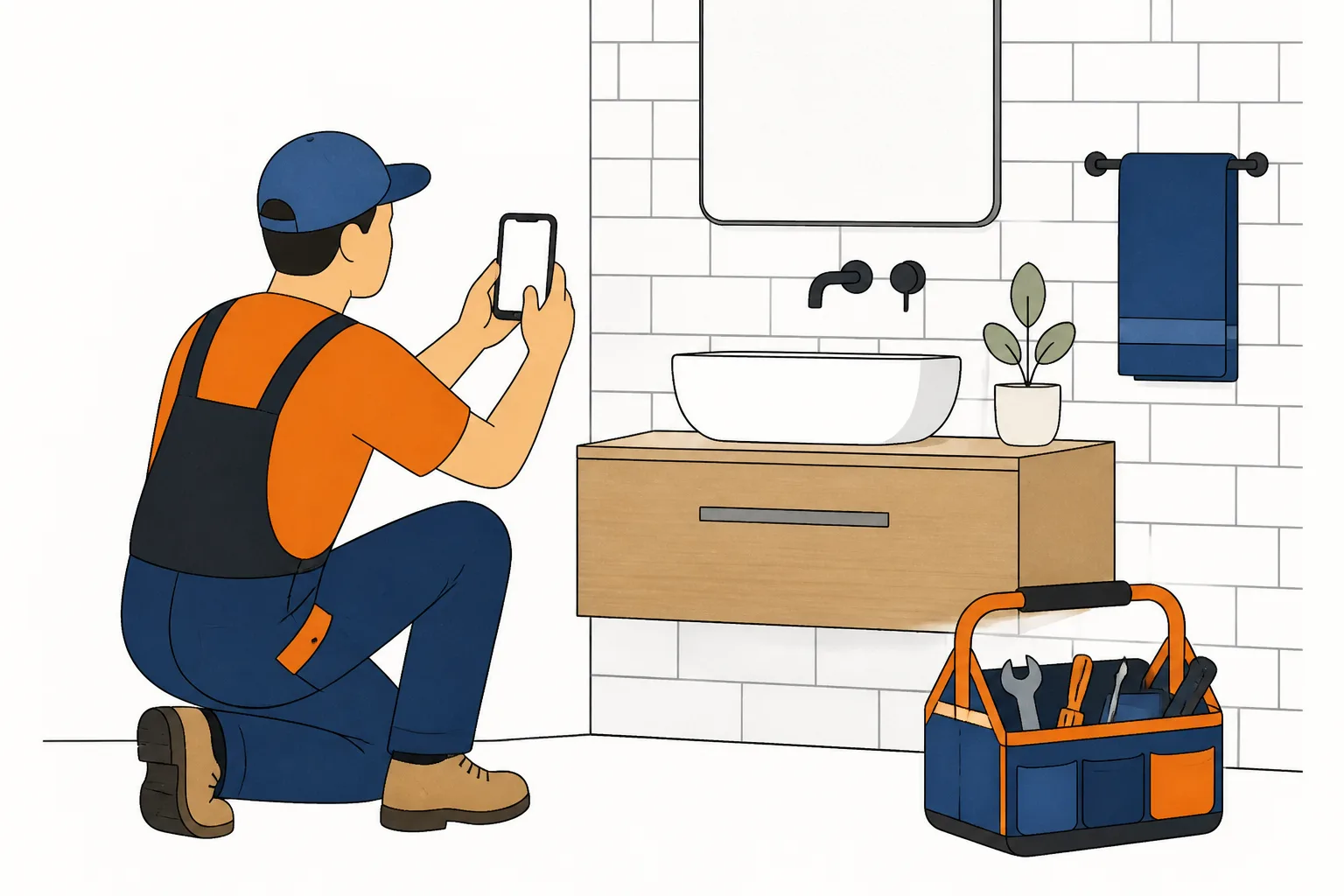
Describe the business in a sentence or two — what you do, where you work, who you work for — and let it build the pages, write the copy and lay it out. Then change what is wrong by saying what is wrong.
The point is not that it is fast. The point is that changing it later is the same action as making it, so the site stays true as the business changes instead of freezing on the day it launched.
Common questions
- Do I need a blog?
- Almost certainly not. A blog helps when you publish consistently for a year or more. If you are not going to, the effort is better spent on a page per service and per town.
- How many photos do I need?
- Six good ones beats sixty. Finished work, taken on a phone in daylight, is more persuasive than professional photography of a van.
- Should I put my prices on the site?
- A range or a call-out fee is usually better than nothing. It filters out the jobs you would not have wanted and it reads as confidence.