Choose the right starting point · 3 min read
Website or web app: which one does your idea need?
A simple way to decide whether you need a website, a web app or both, based on what your visitor needs to do rather than how impressive the project sounds.
Use the task to choose the product
Choose a website when the main job is helping someone understand an offer and contact, buy from or visit a business. Choose a web app when the main job is helping someone repeatedly do something with information: book, track, calculate, manage, share, approve or monitor.
The distinction is not about scale. A one-page website can be valuable, and a small internal app can save hours every week. The useful question is what the visitor expects after they press the main button.

When a website is the right answer
A website is usually right for a business, service, portfolio, publication, shopfront, event or campaign. It gives people confidence, lets search engines understand what you offer and creates a clear place to send a link.
A good website can still be interactive. Contact forms, booking requests, maps, galleries, payments and simple calculators belong on websites when they support the main story rather than becoming the product itself.
- Explain what you offer.
- Show examples, reviews or useful information.
- Get leads, bookings or purchases.
- Be discovered through search and shared links.

When a web app is the right answer
A web app is right when a person returns to use a tool. It usually has accounts, saved data, permissions, changing states or personalised views. Think customer portals, booking management, team trackers, quoting tools, learning products, directories or client dashboards.
The first app version should solve one repeatable job. If the idea needs a long explanation before someone can see the action, the workflow probably needs to be simplified before it is built.
- People sign in and return.
- Information is created, saved or shared.
- Different people see different things.
- The main value comes from completing a task, not reading a page.
Most growing products need both
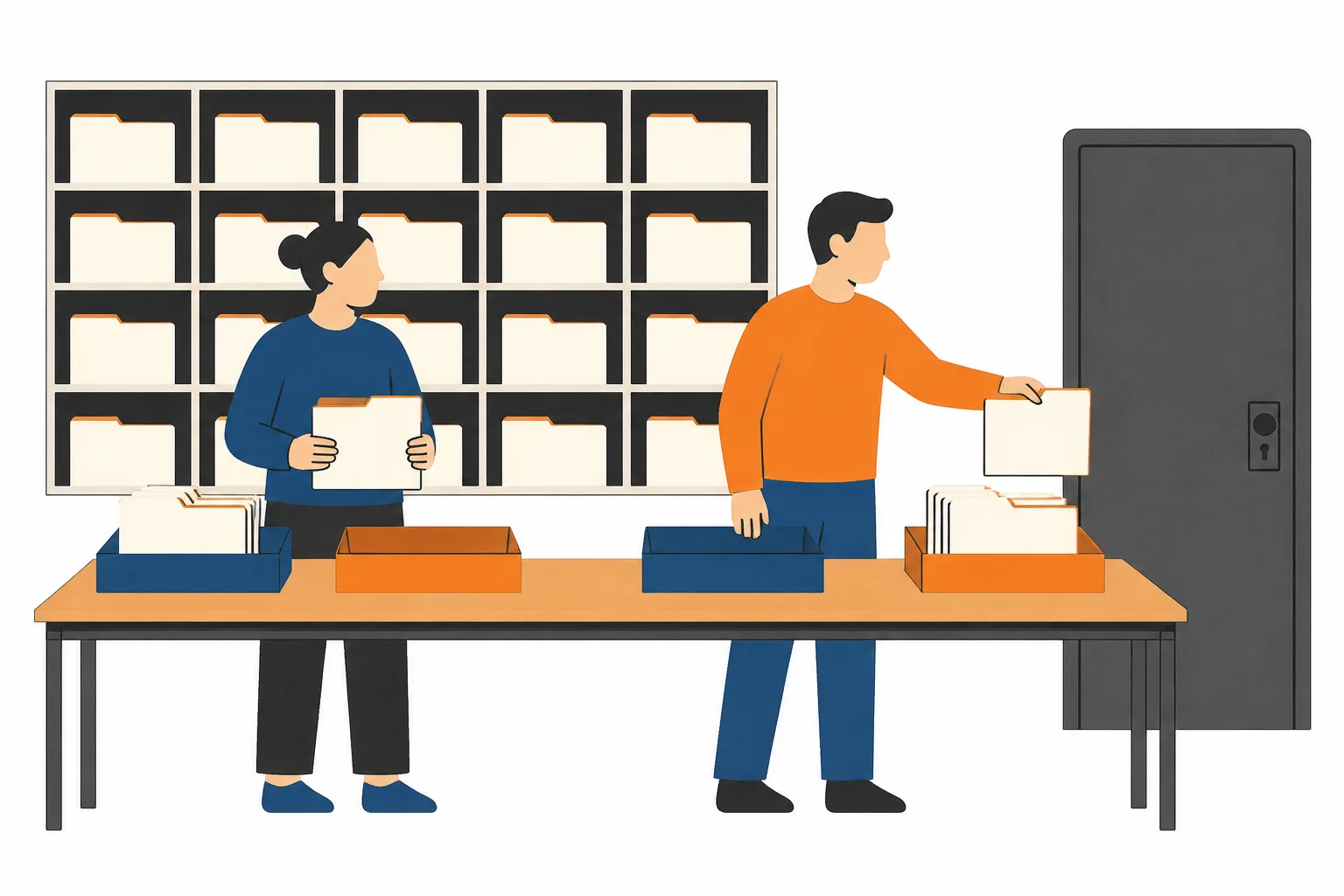
A public website brings people in. A web app gives customers or staff somewhere to do the work. Keeping those roles separate makes both clearer: the website explains the promise; the app delivers it.
Start with the side that answers the immediate business need. If nobody can yet find or understand the offer, begin with the website. If the work is already arriving and you are drowning in a repeated process, begin with the app.
Avoid the expensive starting mistakes
Do not build an app merely to collect a contact form. Do not force a business workflow into a brochure site because it is easier to describe. And do not build every future feature before anyone has used the central one.
Write the first visitor's path in one sentence. If it ends with 'learn, trust and contact', build a website. If it ends with 'sign in, complete a task and come back', build a web app. That is enough to make the first decision.
Common questions
- Can a website become a web app later?
- Yes. A public website can stay in place while you add a private tool, portal or booking workflow. Starting with a clear website often gives an app its first users and its clearest language.
- Do I need an app for online bookings?
- Not always. A website with a booking flow is enough when people simply choose a service and time. You need an app when staff or customers need ongoing accounts, management tools, personalised data or repeat workflows.
- Which is cheaper, a website or a web app?
- A website is usually simpler because it has fewer states, accounts and data rules. Cost should follow the job: a cheap website that cannot handle the workflow is not cheaper than a small app that saves time every day.